
5 Responsibilities of the Maintenance Department
The maintenance department plays a crucial role in ensuring smooth operations within any facility, be it industrial, commercial, or residential. Their responsibilities are myriad and include overseeing equipment functionality, maintaining a safe environment, budgeting, and utilizing technology to streamline operations. This blog post delves into five key responsibilities of maintenance teams, exploring why they are vital for operational efficiency and how to implement them effectively. By understanding these responsibilities, organizations can build a robust maintenance team that not only prevents operational disruptions but also contributes to cost savings and improved productivity.
Why an Effective Maintenance Team is Important to Maintenance Operations
Effective maintenance teams are the backbone of operational stability. They ensure that all machinery and equipment are running smoothly, which results in increased productivity and reduced downtime. A well-functioning maintenance department can predict potential failures and address them before they escalate, thereby preventing any significant interruptions in daily operations.
Moreover, effective maintenance extends the lifespan of expensive equipment. Regular checks and timely repairs mean that the business can avoid the high cost of emergency replacements and reduce the depreciation rate of their assets. Thus, a dedicated maintenance team contributes not only to seamless operations but also to the financial well-being of the company.
Finally, an effective maintenance team plays an essential role in ensuring workplace safety. By constantly monitoring equipment and infrastructure, they help in identifying and mitigating risks, thereby safeguarding the health and safety of employees. This not only fulfills organizational responsibilities but also boosts employee morale and productivity.
How to Build the Best Team for Effective Maintenance Procedures
Building an effective maintenance team begins with hiring skilled and knowledgeable personnel. It is crucial to recruit individuals who are well-versed with the technical aspects of the equipment and systems in use. Additionally, they should possess critical thinking abilities and problem-solving skills to address and resolve maintenance challenges swiftly.
Once the team is in place, continuous training becomes paramount. Providing regular opportunities for skill enhancement through workshops, training programs, and certifications can keep the team updated with the latest practices and technologies. An investment in education is an investment in the effectiveness and reliability of the maintenance team.
Moreover, fostering a culture of collaboration and communication within the team can significantly enhance its efficiency. Regular meetings to discuss ongoing projects, brainstorming sessions for improvement, and open channels for feedback are integral to building a cohesive team that works together seamlessly.
Managing Your Maintenance Team: Tips and Best Practices
Effective management of a maintenance team involves clear communication and well-established processes. Defining roles and responsibilities clearly helps in minimizing confusion and overlaps, while setting realistic goals motivates the team to strive towards continuous improvement. Regular performance reviews can provide valuable feedback and help in aligning the team’s efforts with organizational objectives.
Implementing a preventive maintenance schedule is a best practice that ensures regular checks and maintenance tasks are completed timely, reducing the chances of unexpected failures. Utilizing maintenance management software can help in organizing tasks, keeping track of inventory, and scheduling maintenance activities efficiently.
It’s also essential to foster a positive work environment where team members feel valued and motivated. Recognizing achievements and providing incentives for good performance can significantly enhance job satisfaction and productivity within the team.
Leveraging Technology for a More Efficient Approach to Maintenance
Technology today is a game-changer in maintenance procedures. The adoption of maintenance management software has revolutionized how maintenance tasks are scheduled, recorded, and managed. These tools help teams in tracking equipment history, scheduling maintenance tasks, and ensuring all operations comply with the required standards.
Additionally, predictive maintenance technologies powered by IoT (Internet of Things) devices allow for real-time monitoring of equipment. Sensors collecting data can predict when a piece of equipment might fail, allowing for repairs to be conducted just in time, thus avoiding costly downtime or damage.
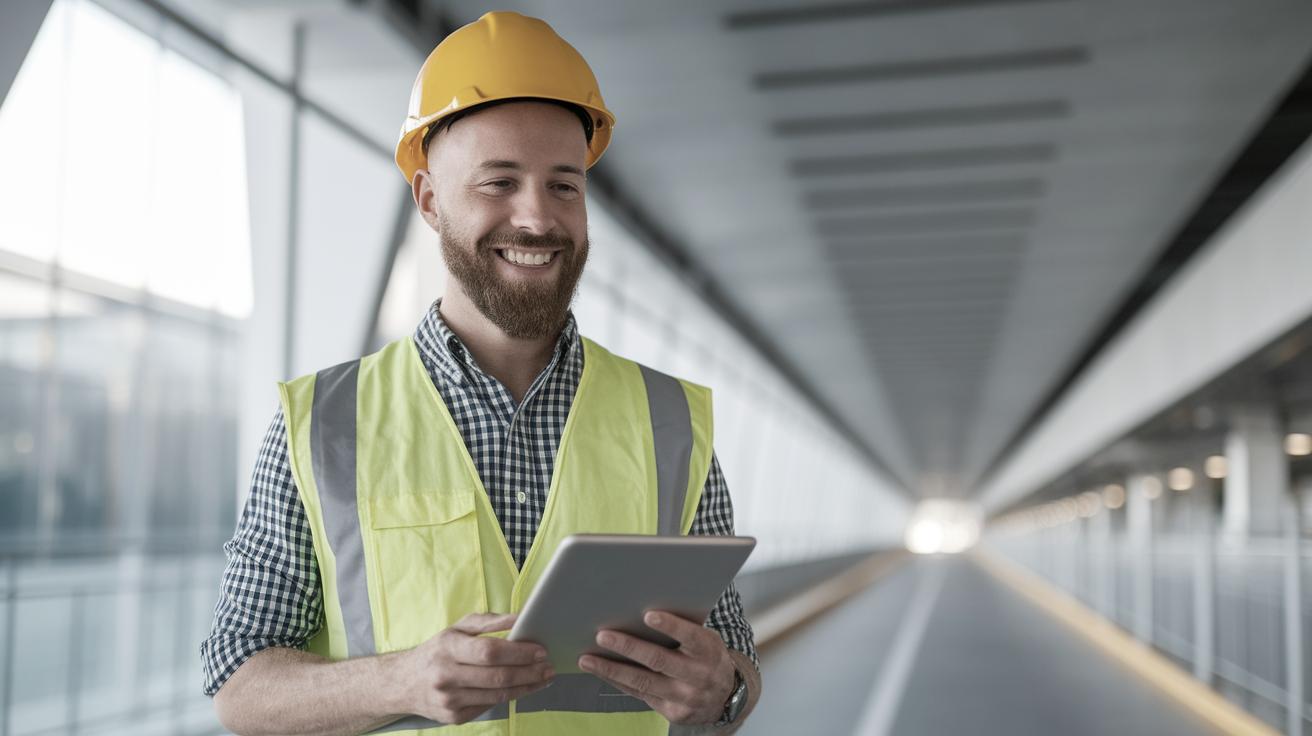
Finally, embracing mobile technology can significantly enhance a maintenance team’s efficiency. Maintenance staff equipped with tablets or smartphones can easily access crucial information, communicate effectively, and update maintenance records on the go, leading to increased productivity and quicker problem resolution.
Summary of Main Points
| Aspect | Details |
|---|---|
| Importance of Maintenance Teams | Increase productivity, extend equipment lifespan, ensure safety. |
| Building the Best Team | Hire skilled personnel, ensure continuous training, foster collaboration. |
| Managing the Team | Clear communication, preventive maintenance, positive work environment. |
| Leveraging Technology | Maintenance software, predictive maintenance, mobile technology. |