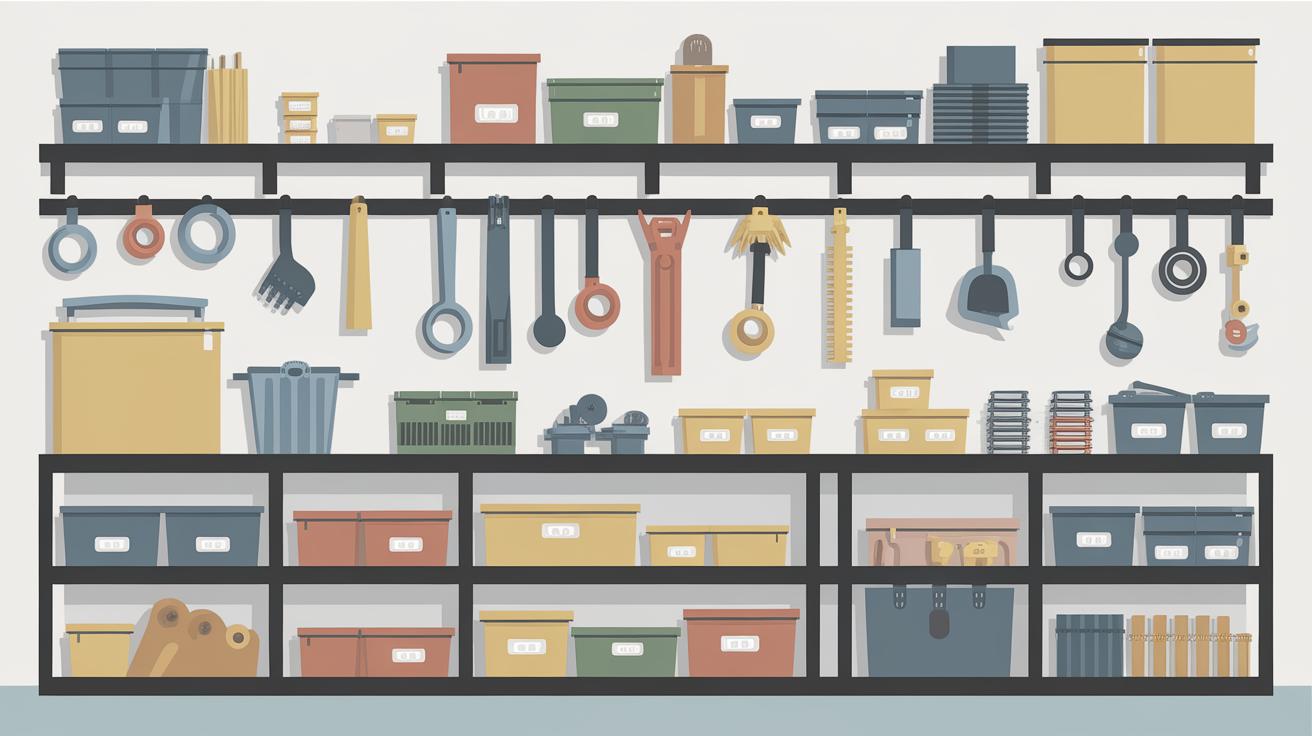
Maintenance Shop Organization Ideas
Organizing a maintenance storeroom is not merely a matter of aesthetics; it’s about enhancing efficiency, safety, and productivity. This blog post will delve into why maintenance storeroom organization is crucial, outline practical steps for achieving and maintaining organization, and explore how tools like FTMaintenance can aid in this process. We will also showcase how this software in action can be a game-changer for organizing your maintenance operations. Furthermore, we’ve added related blog posts that provide insights into various aspects of maintenance management, from adhering to maintenance standards to exploring cutting-edge CMMS software solutions. Whether you’re just starting or looking to refine your existing processes, this guide offers invaluable tips to transform your maintenance storeroom into a well-managed powerhouse.
Why Maintenance Storeroom Organization Matters
An organized maintenance storeroom is critical to the seamless operation of any facility. By maintaining an orderly space, you minimize the amount of time spent searching for tools and parts. This efficiency directly contributes to reducing downtime, enhancing productivity, and ultimately leading to cost savings.
Organization also plays a significant role in safety. A cluttered or disorganized storeroom can become a hazard, leading to accidents and injuries. Proper labeling and categorization ensure that employees can find what they need quickly and safely, fostering a safer working environment.
How to Organize Your Maintenance Storeroom
Sort
The first step in organizing a maintenance storeroom is sorting through the existing inventory. This process involves identifying and categorizing items based on their usage frequency and utility. By doing so, you can prioritize space for essential items and eliminate unnecessary clutter that takes up valuable space.
It’s advisable to create a log of items in stock, categorizing them into groups such as commonly used, rarely used, and obsolete. Regularly updating this log helps in effective inventory management and ensures that obsolete items don’t consume valuable space.
Straighten / Set in Order
Once items are sorted, it’s time to straighten or set them in order. This step involves creating a systematic layout for the storeroom where each item has a designated place. Utilizing shelves, bins, and labels can help in achieving this, making it easy to locate and retrieve items quickly.
Implement visual cues such as color-coded labels and signs to further streamline the storage process. This approach not only speeds up retrieval but also simplifies the process of returning items to their rightful place, ensuring the storeroom remains organized over time.
Shine
The shine step involves cleaning and maintaining the storeroom environment regularly. A clean workspace improves morale and productivity, and in the context of a maintenance storeroom, it ensures tools and equipment are in optimal condition.
Set a regular schedule for cleaning duties and inspections, encouraging team members to take ownership of their workspace. By cultivating a culture of maintenance and cleanliness, you extend the life of the tools and create a professional working atmosphere.
Standardize
Standardizing procedures is crucial in maintaining storeroom organization. This involves creating uniform protocols for inventory management, purchasing, and restocking. By establishing these standards, you ensure consistency and predictability in operations.
Document these procedures and provide training sessions for employees to understand and adhere to these standards. Standardization minimizes errors and enhances team efficiency, making it easier to manage the storeroom effectively.
Sustain
Sustaining organization requires ongoing commitment and regular evaluations. Monitor the storeroom’s state to ensure adherence to set standards, quickly addressing any deviations from established protocols.
Foster a culture where every team member is invested in maintaining the storeroom’s order. Conduct periodic reviews and solicit feedback to identify areas for improvement, and make organization a routine part of daily operations.
Safety
Safety should always be a top priority in any maintenance storeroom. Proper organization means fewer obstacles, a clear path for emergency exits, and a reduced likelihood of accidents.
Ensure all safety protocols are displayed prominently, and conduct regular safety drills. By making safety an integral part of storeroom organization, you protect both personnel and equipment, fostering a safer work environment.
Maintain an Organized Maintenance Storeroom with FTMaintenance
FTMaintenance is a powerful tool that simplifies the organization and management of your maintenance storeroom. With features designed to automate inventory management, FTMaintenance allows for real-time tracking and updates, ensuring that your storeroom is always organized and up-to-date.
The software also provides insights and analytics, helping you make informed decisions regarding inventory purchases and restocking. By integrating such a solution, you enhance efficiency and streamline storeroom management, reducing manual workload and potential errors.
See FTMaintenance In Action
To truly grasp the benefits of FTMaintenance, seeing it in action is key. Through demonstrations and trial periods, you can explore how its features align with your current processes and identify areas where it can bring added value.
Engage with product experts or request a demo to understand the capabilities of FTMaintenance fully. With a hands-on approach, you can evaluate its potential impact on enhancing your maintenance storeroom’s organization.
Related Blog Posts
Getting Familiar with Maintenance Standards and Their Impact on Operations
This blog post discusses the significance of adhering to maintenance standards and how they influence operational efficiency. Gain insights into industry-standard practices and learn how to implement them in your organization.
Modernizing Agricultural Maintenance with CMMS Software
Explore the modernization of agricultural maintenance through CMMS software, which aids in managing equipment, scheduling tasks, and reducing downtime. Discover how technology is transforming traditional agricultural practices.
Making Repair vs. Replace Decisions with a CMMS
Dive into the complexities of repair versus replace decisions and how CMMS can be instrumental in providing data-driven insights to guide these critical choices, ultimately impacting cost and resource management.
Shaping Success: CMMS in Plastics Manufacturing Maintenance
Discover how CMMS solutions cater to the intricate needs of the plastics manufacturing industry, enhancing equipment reliability, compliance, and production efficiency through streamlined maintenance practices.
Addressing Healthcare Facility Maintenance Challenges with Hospital CMMS
Uncover the challenges specific to healthcare facility maintenance and how hospital CMMS solutions address these, ensuring equipment uptime, regulatory compliance, and patient safety.
Delivering Excellence with Service Request Management KPIs
Learn about key performance indicators (KPIs) for service request management and how they contribute to excellence by fostering accountability, improving response times, and enhancing service delivery.
A Closer Look at On-Time Work Order Performance
Delve into the aspects of on-time work order performance, understanding the factors affecting it, and strategies for improvement, ensuring that tasks are completed within the designated timeframes.
3 Useful KPIs for Work Order Management
Gain insights into three essential KPIs used in work order management, simplifying the evaluation of maintenance efficiency and highlighting areas that require attention and optimization.
What is Asset Tagging?
Learn about asset tagging, its importance, and how it aids in tracking and managing inventory effectively. Explore the technologies involved and the benefits they bring to asset management.
What is Root Cause Analysis?
Understand the concept of root cause analysis, a methodical approach to problem-solving that identifies the underlying causes of issues to prevent recurrence, thereby improving process efficiency.
Next Steps
| Step | Description |
|---|---|
| Why Organization Matters | Benefits of efficient, safe, and cost-effective storeroom management. |
| Organizing the Storeroom | Step-by-step guide to sorting, setting in order, shining, standardizing, and sustaining. |
| FTMaintenance | Use of FTMaintenance for effective management and organization. |
| FTMaintenance In Action | Encouragement to engage with the software through demos and trial runs. |
| Related Blogs | Further reading on diverse subjects related to maintenance management. |