
Just in Case vs Just in Time: A Comprehensive Analysis
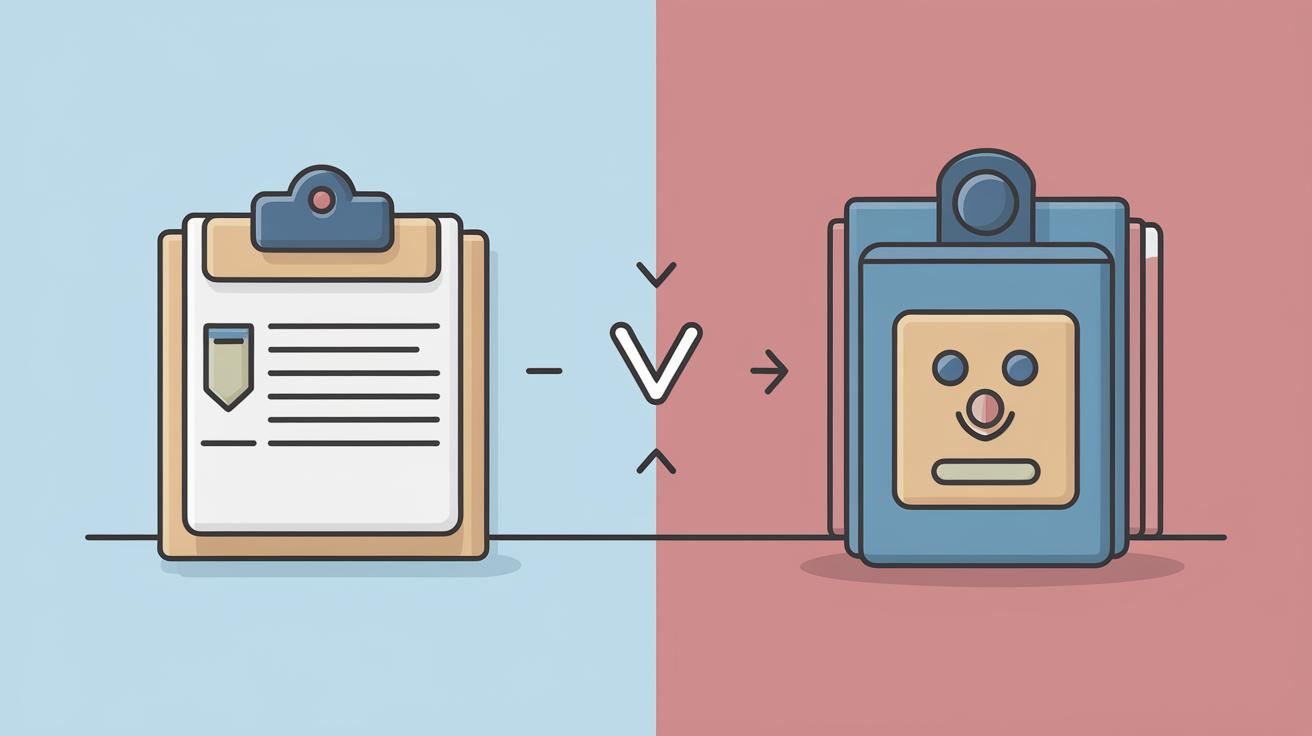
In the realm of inventory management, the strategies of “just in case” and “just in time” represent two fundamentally different approaches to handling stock and production processes. While “just in case” focuses on maintaining high inventory levels to mitigate potential disruptions, “just in time” operates with minimal stock, aligning production schedules closely with demand to increase efficiency and reduce waste. This blog post delves into the intricacies of the just-in-time (JIT) methodology, exploring its framework, benefits, and potential drawbacks. As we navigate through historical contexts, practical examples, and special considerations, this article aims to equip you with a profound understanding of both strategies, particularly JIT, and its application in modern industries.
What Exactly Do You Mean by Just-in-Time?
Just-in-time (JIT) is a strategic production methodology designed to improve a business’s return on investment by minimizing in-process inventory and associated carrying costs. Originating from Japan, the JIT system was developed and perfected to reduce redundancies in the production process and streamline operations by receiving goods only as they are needed in the production process.
The core principle of JIT is to align production schedules closely with real-time customer demand, thereby optimizing the supply chain’s efficiency. This methodology contrasts with traditional approaches that stockpile large inventories, thus freeing up valuable capital and space usually tied in goods that may eventually become obsolete.
What Is Just-in-Time (JIT)?
At its essence, Just-in-Time (JIT) is a methodology aimed at reducing times within the production system as well as response times from suppliers and to customers. The approach is founded upon maintaining minimal inventory at every stage of the production process to ensure that parts arrive exactly when they are needed.
Conceptualizing JIT involves visualizing a system where inventory arrives just in time for its direct use. This minimizes waste and reduces the capital tied up in inventory. Consequently, businesses can efficiently manage their resources, enhancing the quality and efficiency of production processes.
How Does Just-in-Time Inventory (JIT) Work?
Just-in-Time Inventory works by forecasting demand and synchronizing inventory orders closely with production schedules. Products or materials are ordered and received only when they are needed for production, thus minimizing storage time and costs associated with holding inventory.
Implementing JIT requires a strong relationship with suppliers, which ensures timely delivery and eliminates delays in production schedules. This tight integration is a key component of the JIT philosophy and is instrumental in maintaining the lean nature of this inventory management approach.
Advantages and Disadvantages of JIT
JIT offers significant advantages, including reduced storage costs, increased productivity, and enhanced product quality by focusing on efficient production processes. By reducing waste, businesses can optimize their resources and respond swiftly to changes in consumer demand.
However, JIT also carries disadvantages, especially if operational disruptions occur. Since inventory levels are low, any delay from suppliers can halt production lines, potentially resulting in losses. JIT operations demand precise coordination and accuracy, which can be challenging in times of market volatility.
Example of JIT
A classic example of Just-in-Time implementation is Toyota. The Toyota Production System (TPS) was a pioneer in utilizing JIT techniques to revolutionize automobile manufacturing. By applying the principles of JIT, Toyota managed to drastically reduce inventory costs and improve production efficiency.
In the TPS, production is perfectly timed with consumer demand, achieving high-quality standards while maintaining the flexibility to adapt to changing market conditions. This system has since been emulated by various industries seeking lean production techniques.
Special Considerations
Implementing a JIT system requires considering several factors, including the reliability of suppliers, demand fluctuations, and the company’s logistical capabilities. These considerations are crucial in mitigating risks associated with supply chain disruptions.
Technological advancements play an important role in supporting JIT practices. With the advent of digital supply chain management tools, companies can monitor processes in real-time, facilitating faster decision-making and improving efficiency.
Is Just-in-Time Manufacturing Risky?
Just-in-Time manufacturing can be risky, particularly for companies with unpredictable demand patterns or those that rely on multiple suppliers. Any disruption in the supply chain can have immediate repercussions on production schedules and costs.
Consequently, JIT requires robust contingency plans to address potential supply chain disruptions. By diversifying suppliers and maintaining strong relationships, companies can mitigate the risks associated with the JIT approach.
What Types of Companies Use JIT?
Companies across various sectors utilize JIT methodologies, including automotive, electronics, and apparel industries. These industries value the reduced inventory costs and enhanced production efficiency that JIT facilitates.
The JIT methodology is best suited for companies that can accurately predict demand and have strong supplier relationships, allowing for quick response times to market changes while minimizing inventory levels.
Who Invented JIT Inventory Management?
The origins of JIT inventory management can be traced back to Taiichi Ohno, an industrial engineer at Toyota, who is credited with developing the Toyota Production System in the 1970s. Ohno’s work was predicated on the principles of reducing waste and improving efficiency in manufacturing.
This innovative system set a benchmark in manufacturing methodologies, leading other companies to adopt similar techniques and contributing to the global prominence of JIT as a leading management philosophy.
The Bottom Line
Understanding Just-in-Time inventory management is crucial for businesses seeking to streamline operations and reduce costs. While it provides significant benefits in terms of efficiency, companies must carefully navigate the risks to ensure smooth operations.
Supplier Geography
The geographical location of suppliers can have an impact on the effectiveness of JIT inventory systems. Proximity to suppliers can reduce lead times, decrease transportation costs, and improve reliability in the supply chain.
In recent years, globalization has shifted the landscape of JIT, prompting companies to balance the cost benefits of near-shoring with the potential risks associated with extended supply chains due to international suppliers.
Fast Fact
The implementation of JIT can lead to a 33% reduction in inventory holding costs, significantly benefiting a company’s bottom line.
Key Takeaways
JIT inventory management can drastically enhance operational efficiency by aligning production closely with demand, but it requires a robust supplier network and accurate demand forecasting.
Important
Companies must weigh the benefits of JIT against the potential risks, ensuring systems are in place to swiftly respond to supply chain disruptions.
Best Travel Insurance Companies
While not directly related to the JIT strategy, when considering travel insurance companies, it’s important to choose those providing comprehensive coverage, especially amid global uncertainties.
Best Covid-19 Travel Insurance Plans
In the current climate, travel insurance plans that offer Covid-19 coverage are increasingly important for travelers seeking to protect their health and investments.
Final Thoughts
| Aspect | Details |
|---|---|
| Just-in-Time (JIT) | A methodology aimed at minimizing inventory and streamlining production schedules based on real-time demand. |
| Advantages | Reduces inventory costs, enhances efficiency, and improves product quality. |
| Disadvantages | High risk of supply chain disruptions with low inventory levels. |
| Industries Using JIT | Automotive, electronics, and apparel industries. |
| Key Points | Relies on accurate forecasting and strong supplier relationships for effective implementation. |